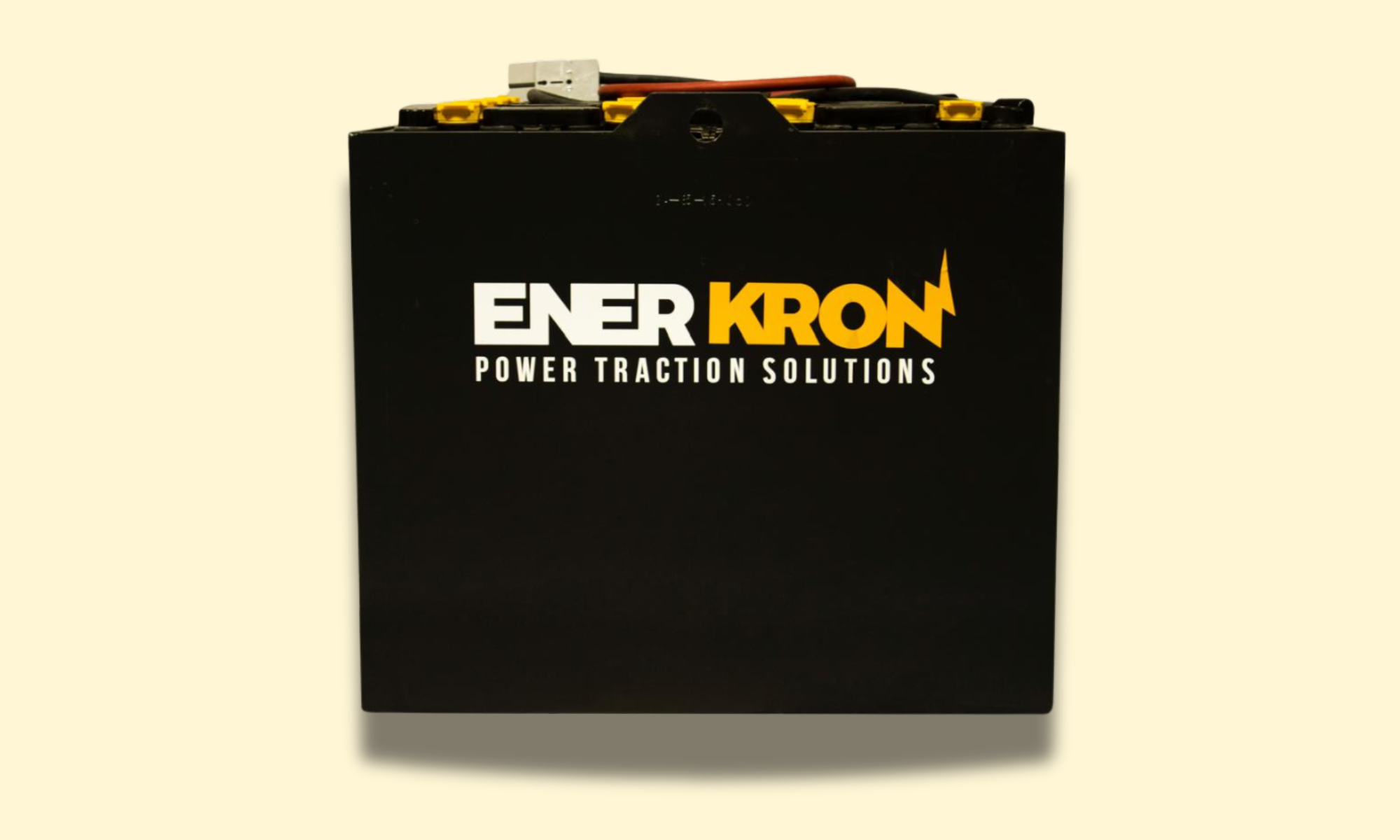
Enerkron — Industrial Power San Leandro, CA · U.S.A.

Our
products

Lead-acid and lithium batteries, cells and chargers for every forklift type — sized to your equipment, backed by warranty, and delivered fast.
Battery
components

01 / System anatomy
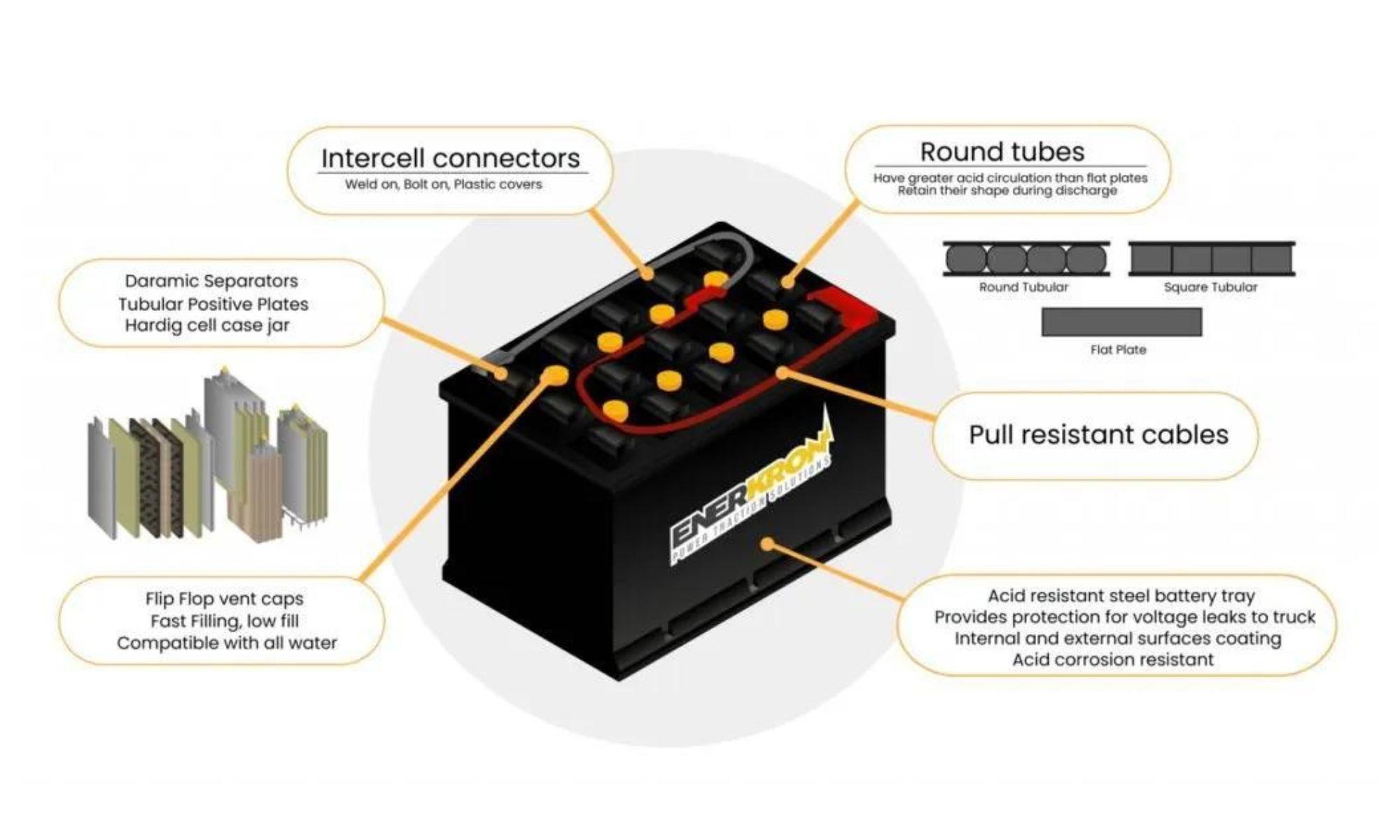
Core components
  • 01
    PlatesThe basic units that generate electrical power, made from lead, lithium, or nickel.
  • 02
    CellsA group of plates connected in series to form a single energy storage unit.
  • 03
    ElectrolyteA liquid or gel that facilitates the chemical reaction between plates and cells.
  • 04
    SeparatorsMaterials that keep plates apart and prevent internal short circuits.
  • 05
    TerminalsConnectors that allow safe, secure connection and disconnection of the battery.
ENERKRON · Components Battery components diagram
★ Recommended

Lithium
LiFePO₄

02 / Premium technology
3,000+
Charge cycles
(vs ~1,800 lead-acid)
97%
Round-trip
efficiency
1–2h
Full charge
(vs 8h+ lead-acid)
50%
Lighter weight
vs lead-acid
Full technical specifications
  • Cell chemistryLiFePO₄ (Lithium Iron Phosphate)
  • Nominal voltage24V · 36V · 48V · 80V
  • Capacity range100Ah – 700Ah (custom builds available)
  • Cycle life3,000+ charge / discharge cycles
  • Depth of discharge80–100% usable (vs ~50% lead-acid)
  • Round-trip efficiency97–98%
  • Full charge time1–2 hours (opportunity charge capable)
  • Self-discharge rate<3% per month
  • Weight vs lead-acidUp to 50% lighter for same capacity
  • Operating temperature−20°C to 45°C (−4°F to 113°F)
  • IP ratingIP55 — dust and water resistant
  • Integrated BMSOvercurrent · overtemp · overcharge · cell balancing
  • CommunicationCAN bus / CANopen compatible
  • CertificationsUL 2580 · UN 38.3 · CE
  • Maintenance requiredZero — no watering, no equalization
  • Ventilation requiredNo — zero emissions while charging
  • Warranty5 years or 3,000 cycles — whichever comes first
Why lithium beats lead-acid
  • 1.7× more cycles. 3,000+ vs ~1,800 for lead-acid — fewer replacements, lower long-term cost.
  • Charge in your break, not overnight. 1–2 hours vs 8+ hours. No more waiting, no battery swaps.
  • 20% more energy per shift. 97% efficiency means almost none of the electricity you put in goes to waste.
  • Zero maintenance hours. No water refills, no equalization charges, no weekly inspections.
  • No acid. No fumes. Safer for your team, cleaner air, and no dedicated charging ventilation room needed.
  • Lighter forklift, bigger payload. Up to 50% weight reduction — that's extra capacity on every lift.
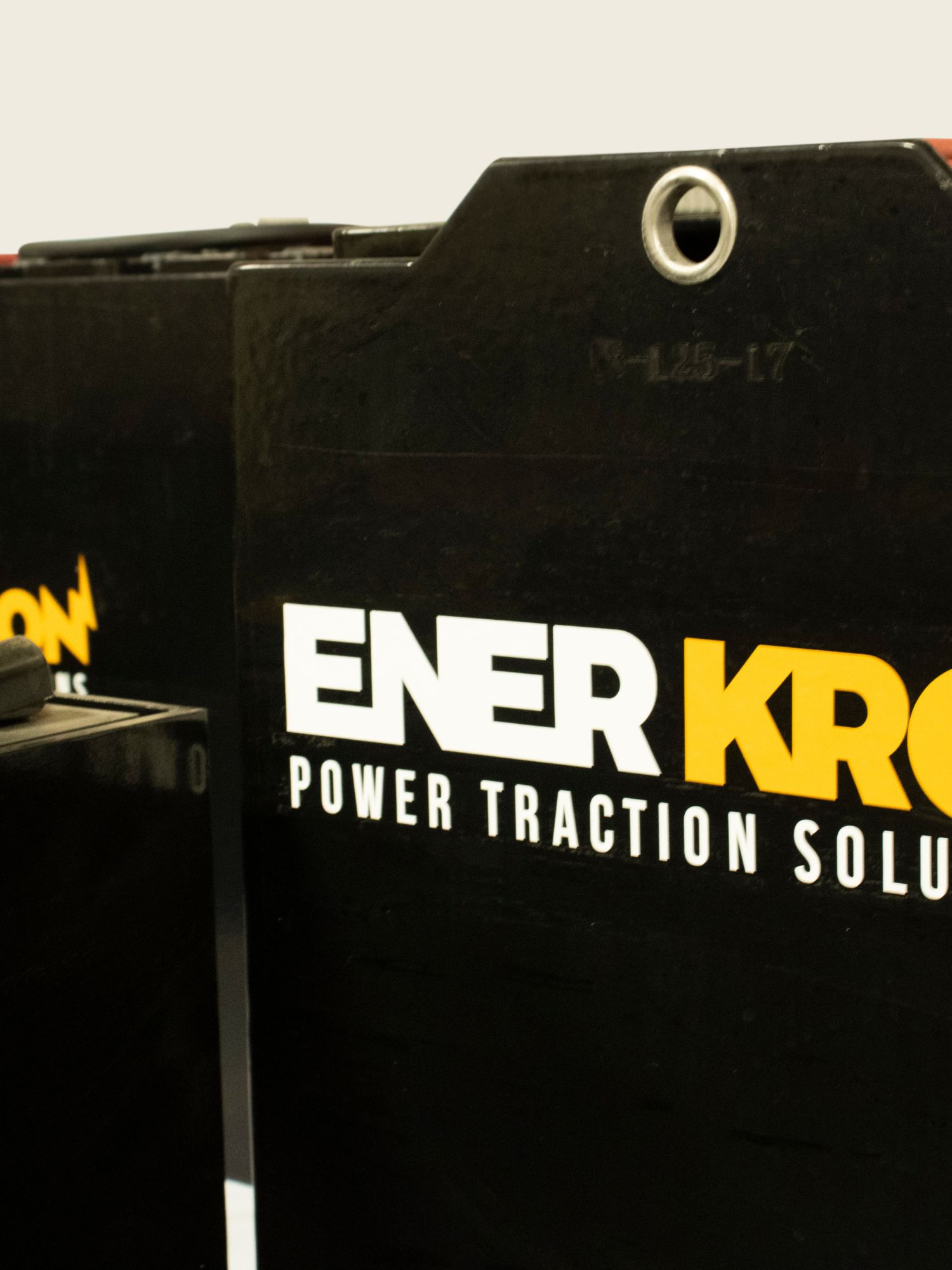
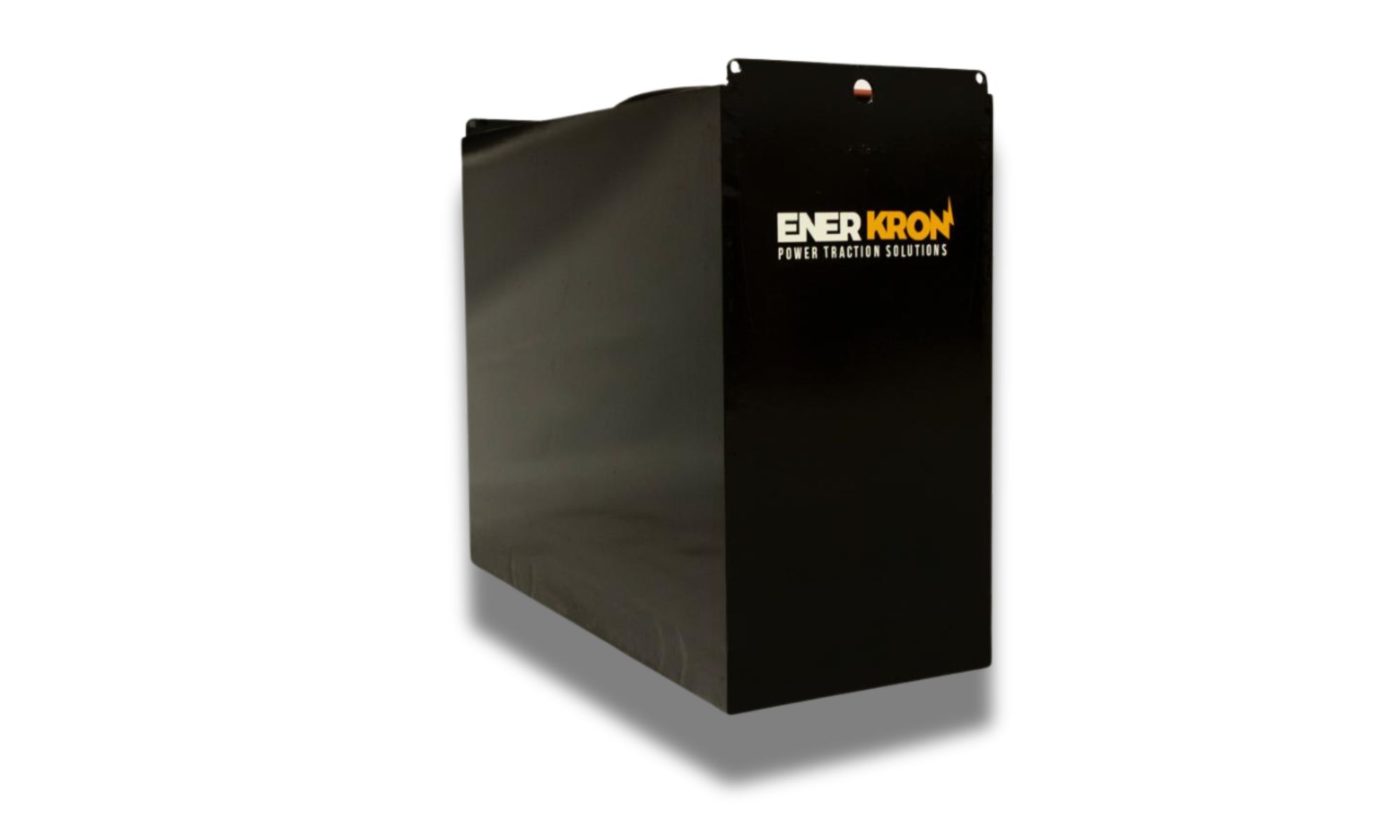
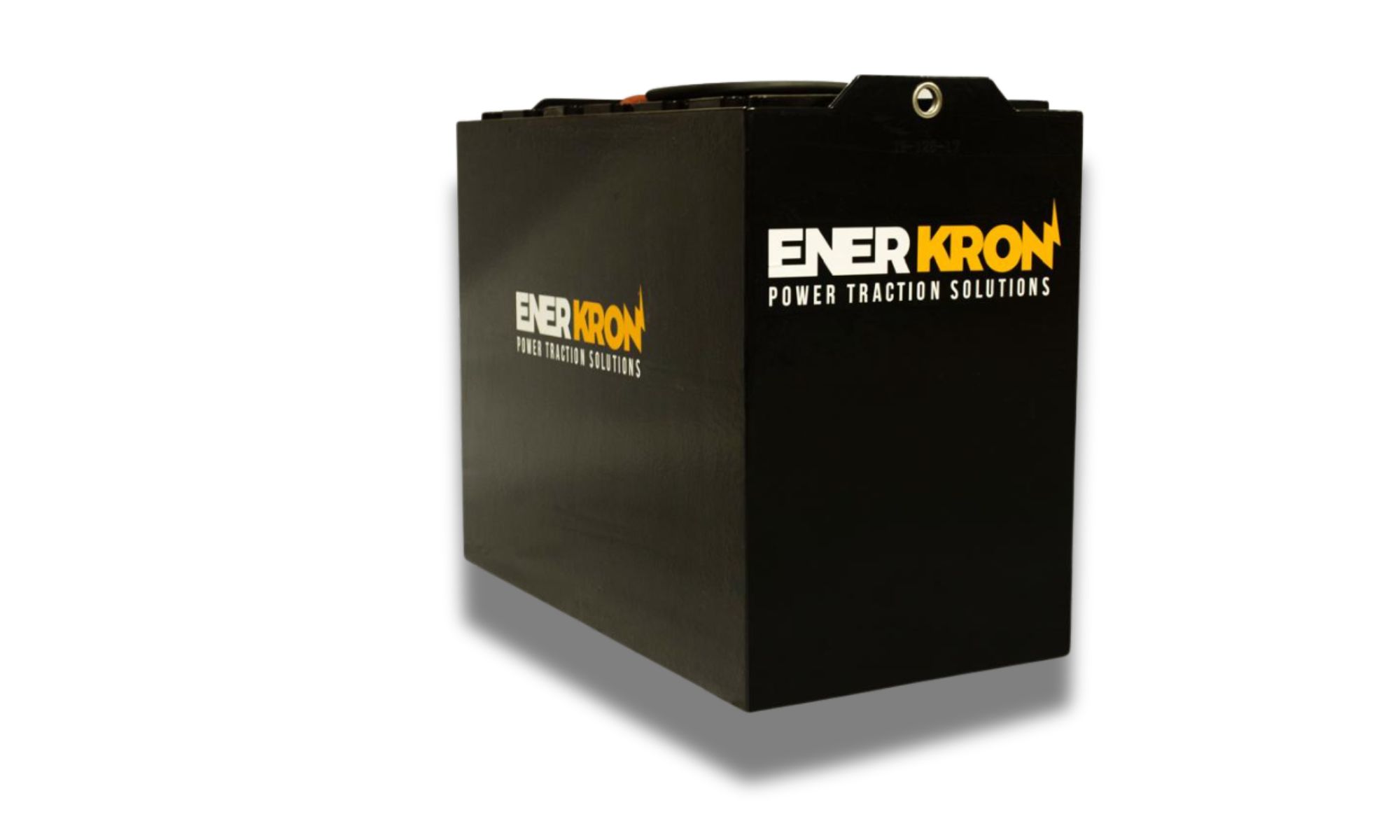
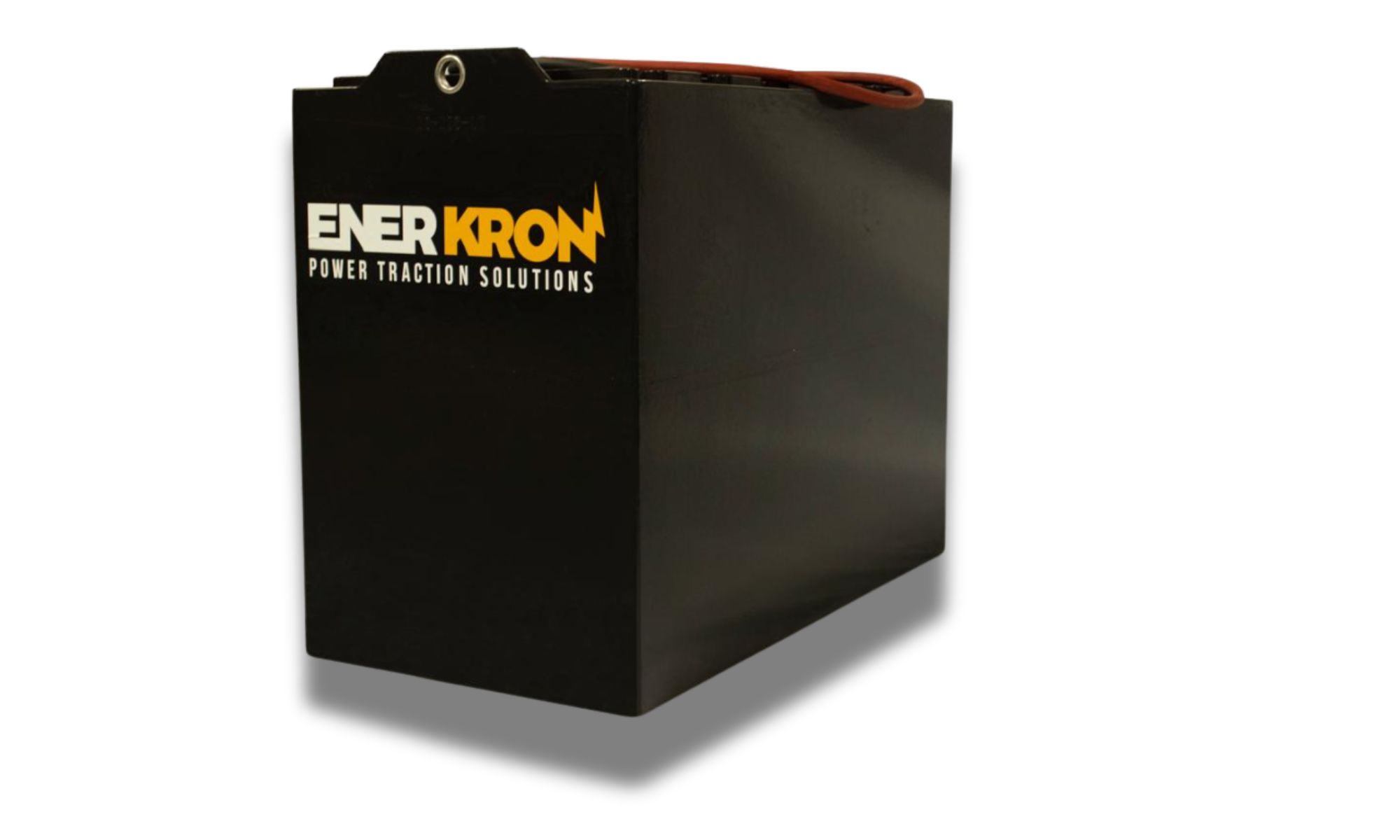
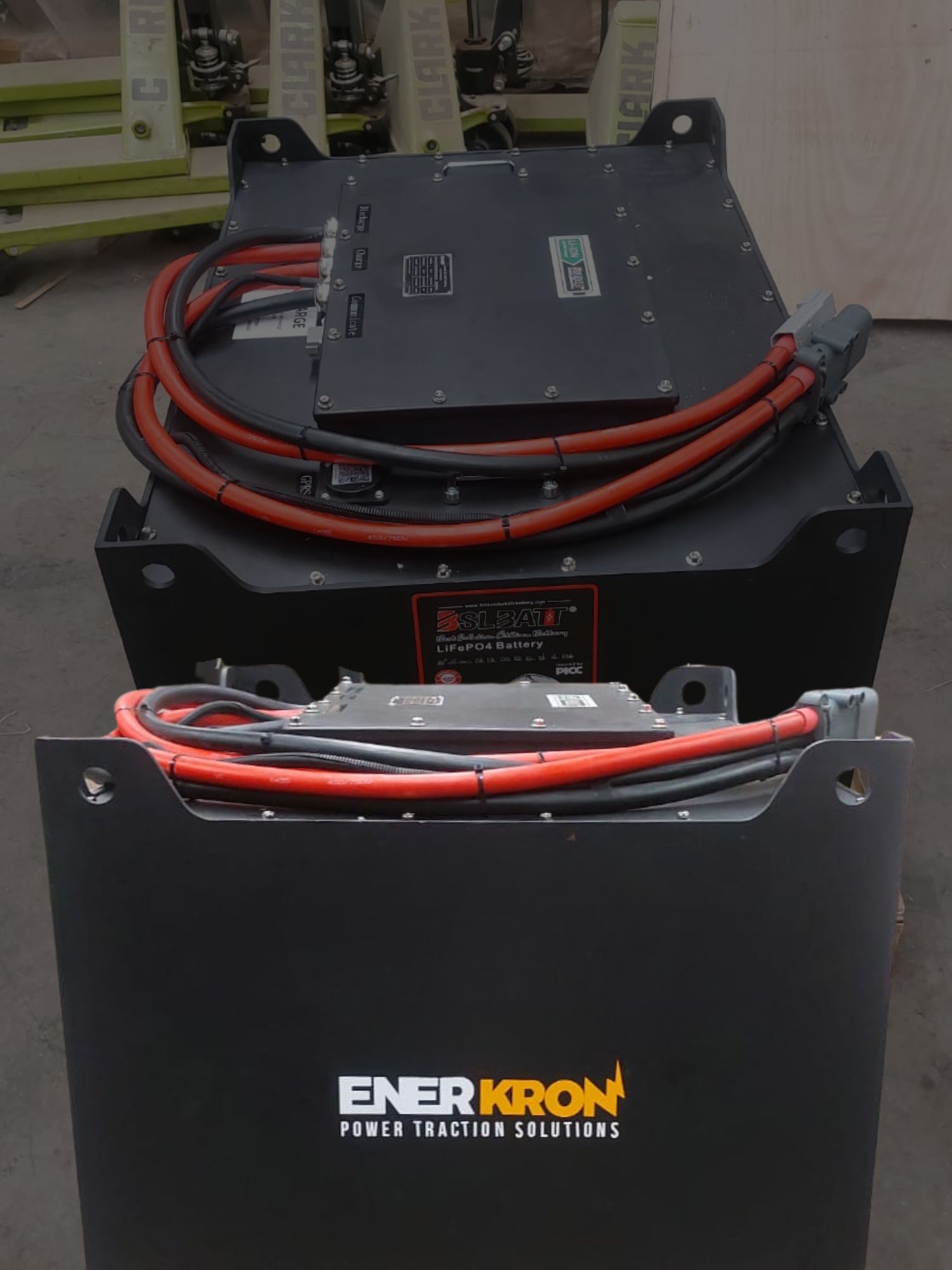
Lithium battery — image 1
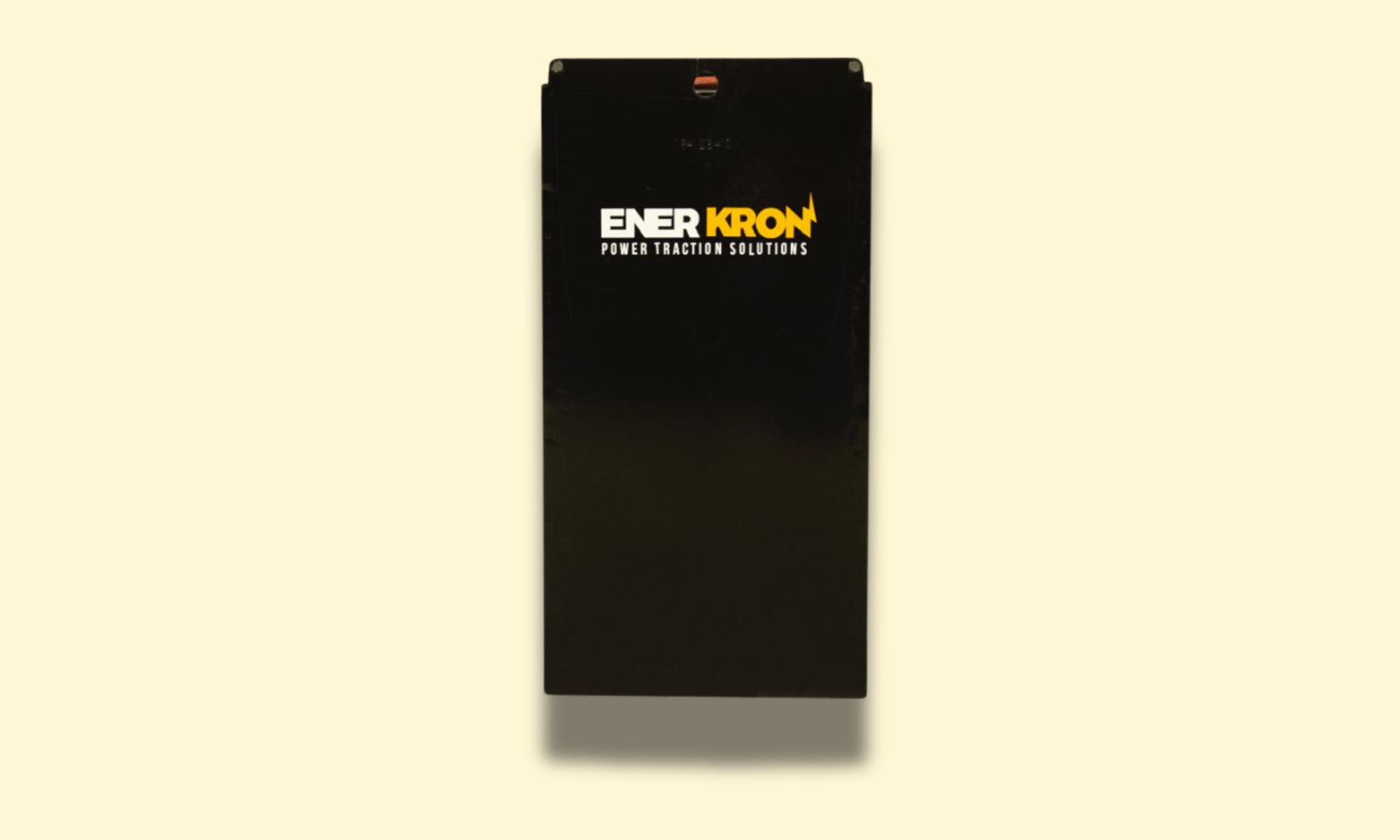
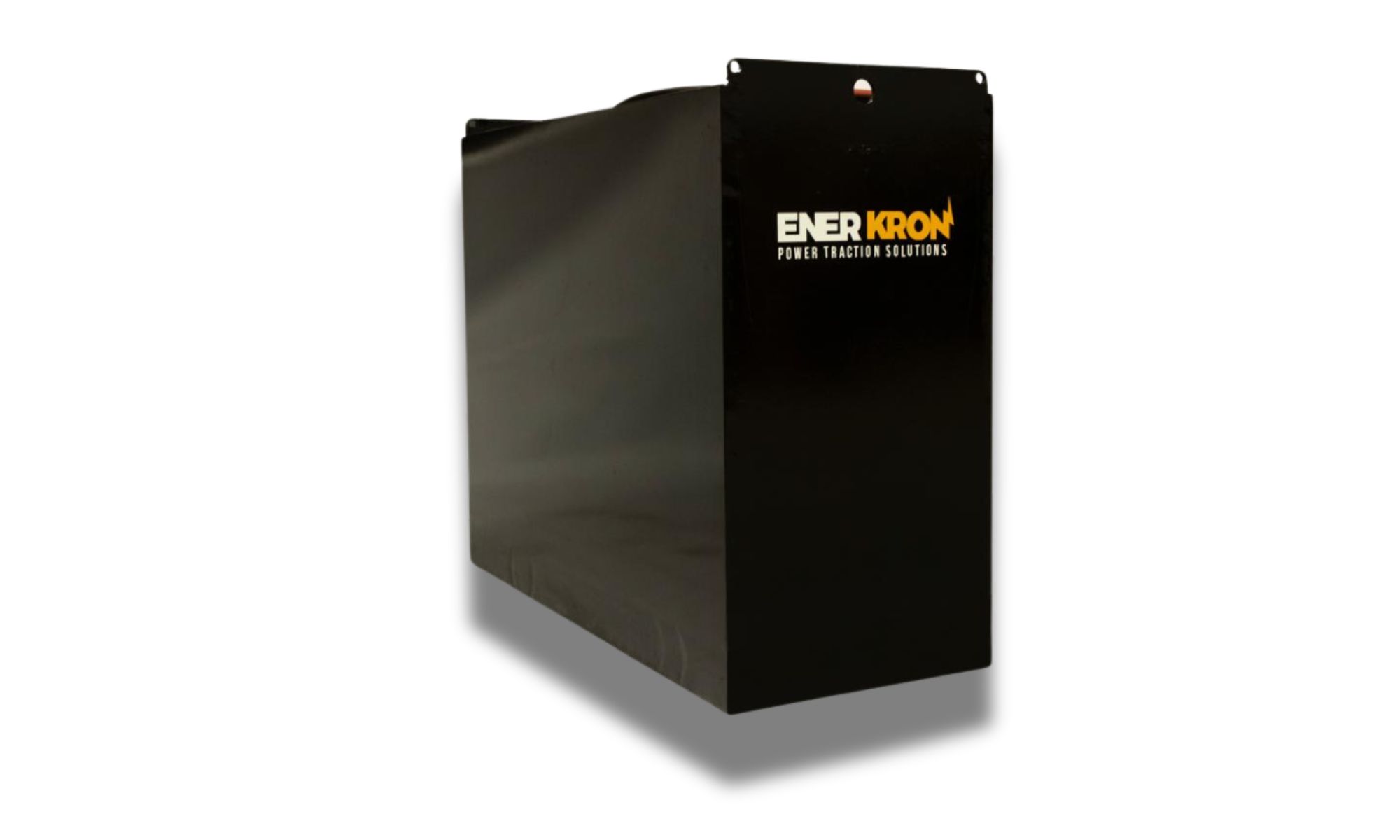
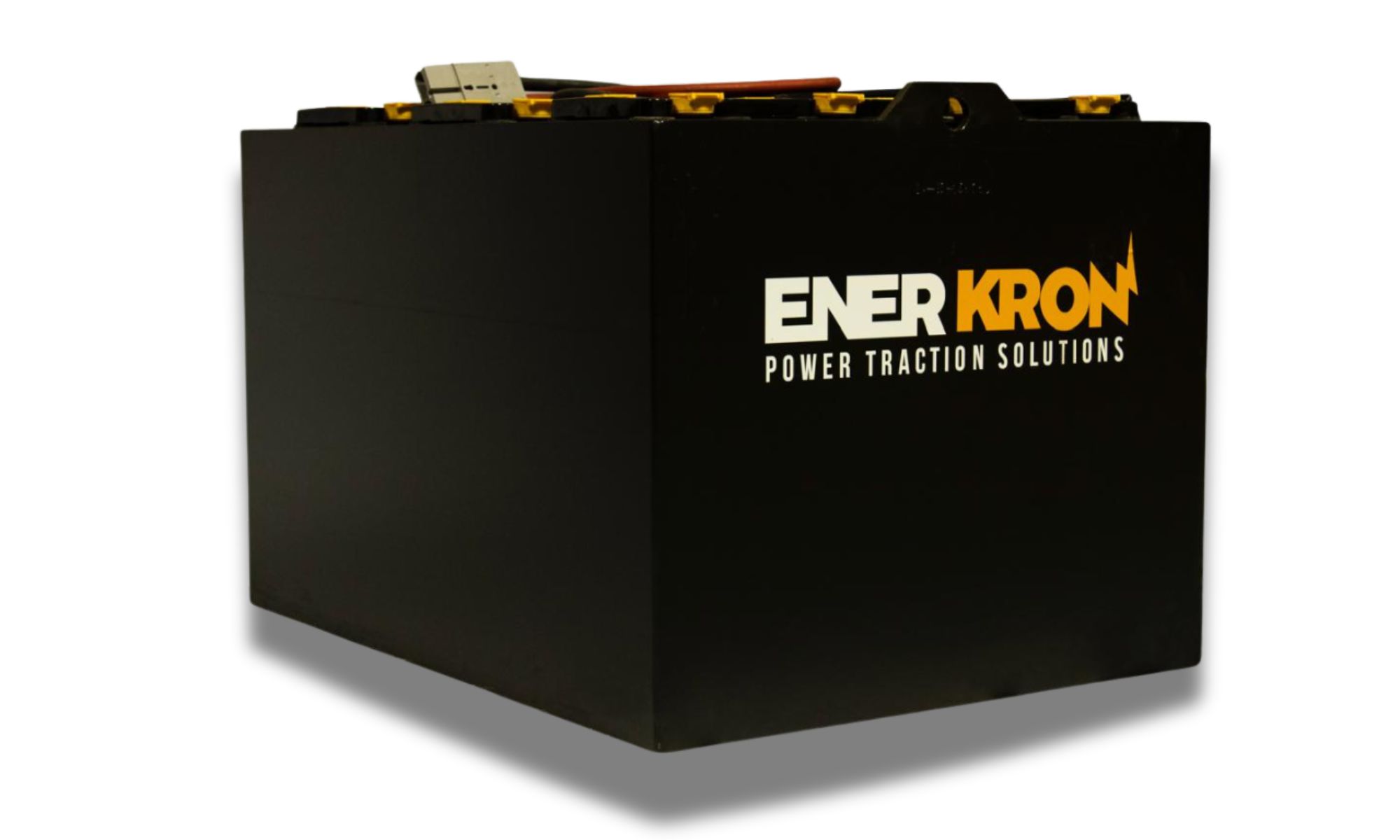
Lithium battery — image 2
Lithium vs Lead-Acid — head to head
Feature
Lithium LiFePO₄
Lead-Acid
Cycle life
3,000+ cycles
~1,800 cycles
Full charge time
1–2 hours
8+ hours
Efficiency
97–98%
75–80%
Usable capacity
80–100% DoD
~50% DoD
Weight
Up to 50% lighter
Very heavy
Maintenance
Zero
Weekly watering
Ventilation needed
Not required
Required
Opportunity charge
Yes — any break
Not recommended
Self-discharge
<3% / month
15–25% / month
Hazardous materials
None
Lead + sulfuric acid

Forklift
batteries

03 / Lead-acid range Get a quote

Browse our lead-acid batteries by voltage. Use the arrows or swipe to compare models.

Industrial
cells

04 / Individual cells Quote cells
Overview

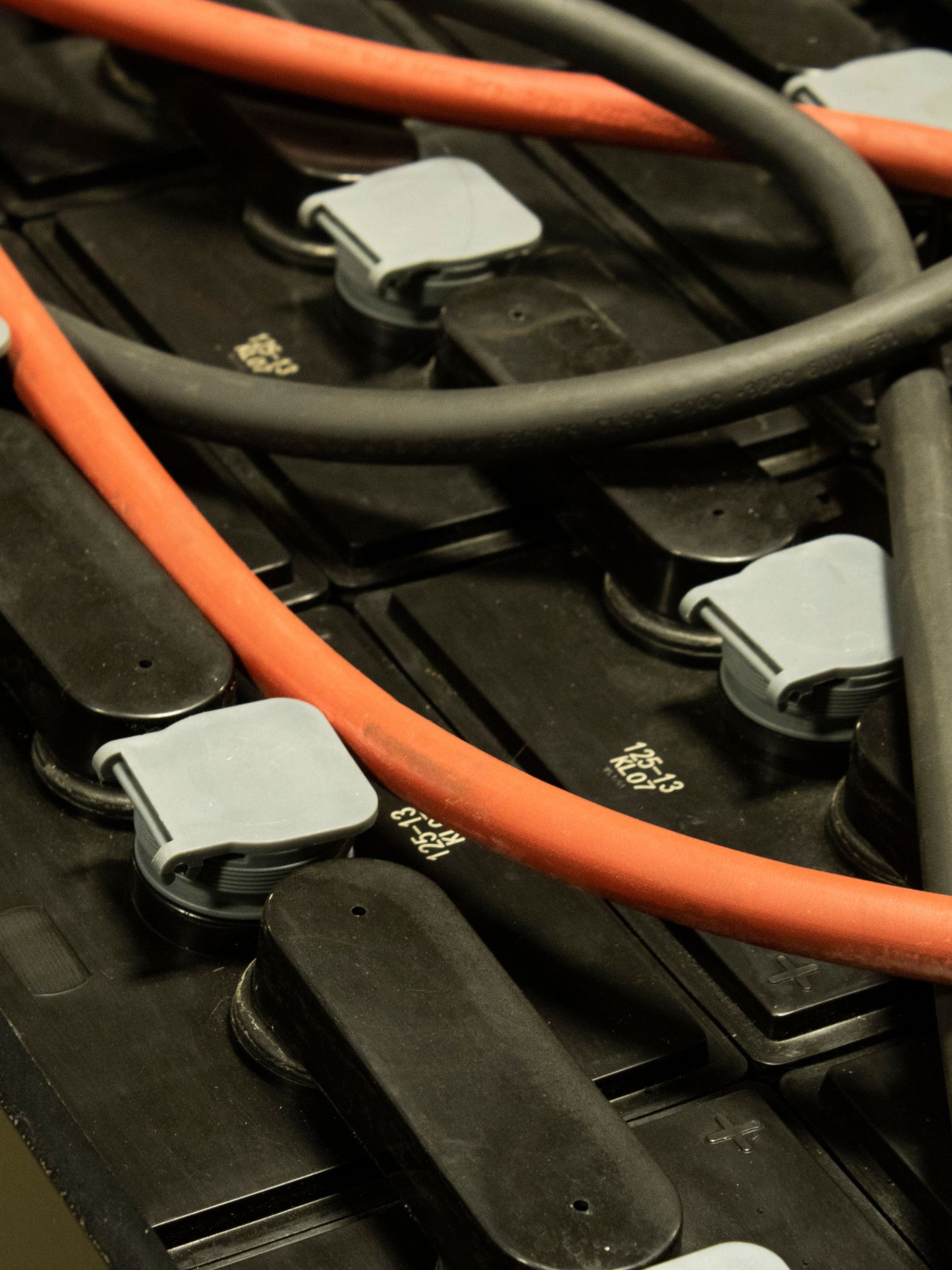
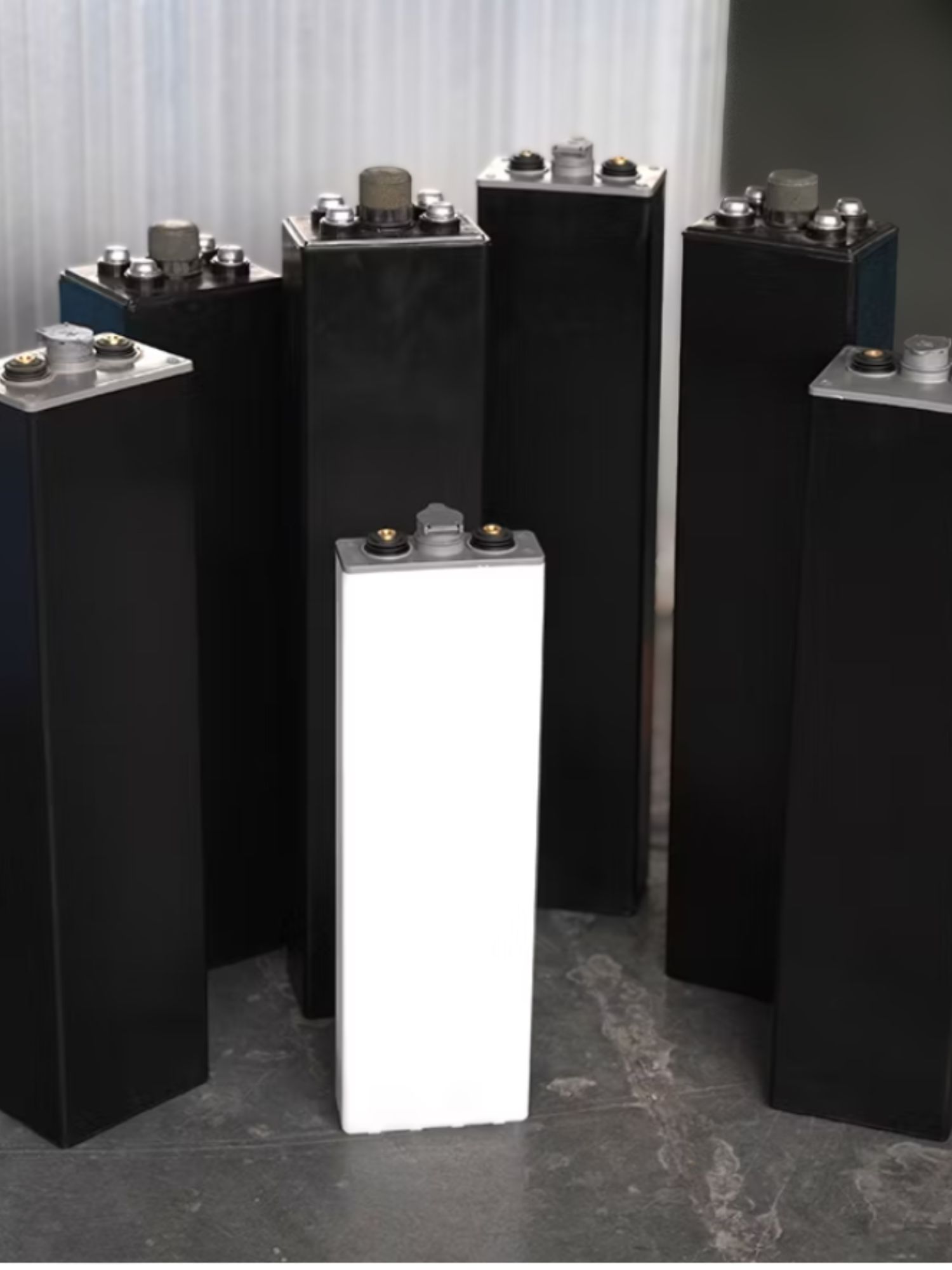
Electrochemical cells are the fundamental building blocks of every battery — they store and release electrical energy on demand. Cells are arranged in series or parallel to hit the exact capacity and voltage your equipment needs. The quality of those cells, and how they're put together, determines how long your battery lasts and how reliably it performs.
Key features
High capacity & energy density Low self-discharge Long service life Flexible configuration
Benefits
Cost-effective Easy to install Drop-in compatible
Industrial cells — image 1
Industrial cells — image 2

Ready to power
your fleet?

Tell us your truck and your shift. We'll come back with the right battery and a straight price — fast.